
Call Us

+1 281 227 7733

Call Us

+1 281 227 7733

Call Us

+1 281 227 7733

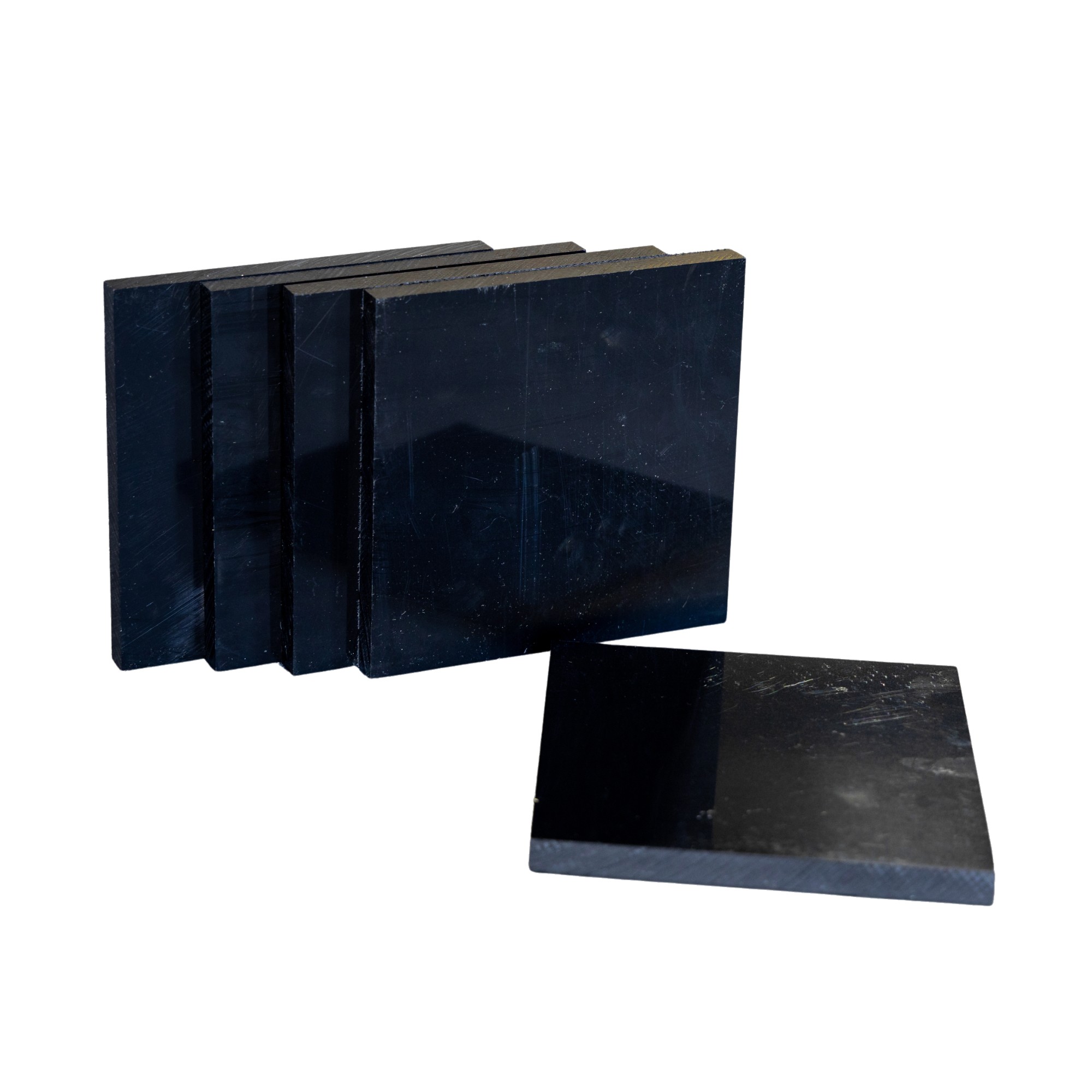
Bearing Pads

These structural components are made from neoprene, rubber, or specialized compounds and are designed to distribute loads, minimize vibrations, and accommodate movement between structural elements such as beams, bridges, and building foundations.
Bearing Pads

These structural components are made from neoprene, rubber, or specialized compounds and are designed to distribute loads, minimize vibrations, and accommodate movement between structural elements such as beams, bridges, and building foundations.

Bearing Pads

These structural components are made from neoprene, rubber, or specialized compounds and are designed to distribute loads, minimize vibrations, and accommodate movement between structural elements such as beams, bridges, and building foundations.

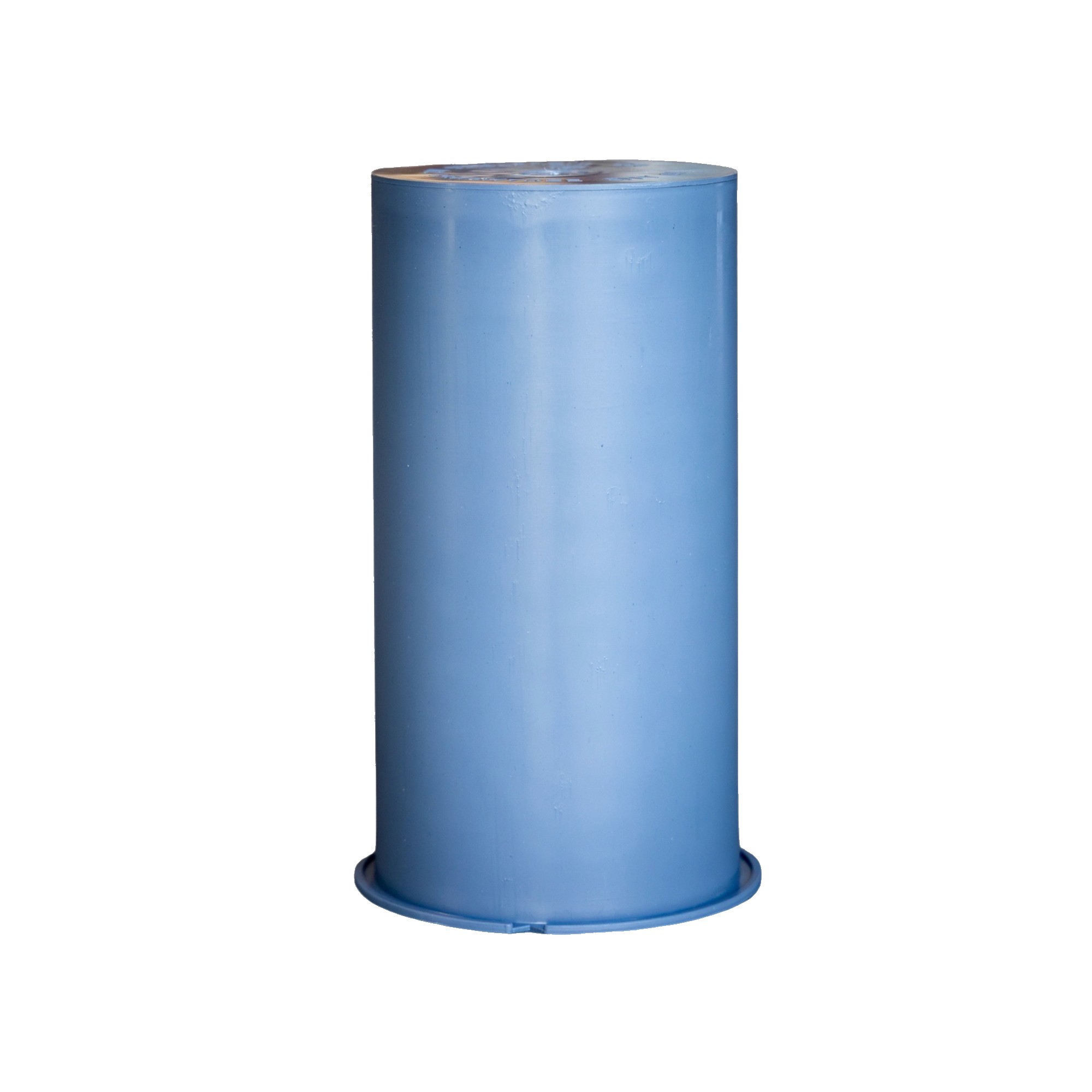
Cylinder Molds

These molds, constructed from plastic, are used in the construction industry to cast, cure, and test cylindrical concrete specimens, helping to determine their compressive strength and overall quality.

Cylinder Molds

These molds, constructed from plastic, are used in the construction industry to cast, cure, and test cylindrical concrete specimens, helping to determine their compressive strength and overall quality.

Cylinder Molds

These molds, constructed from plastic, are used in the construction industry to cast, cure, and test cylindrical concrete specimens, helping to determine their compressive strength and overall quality.

Flared Coil Loop Inserts

Designed for use as primary lifting inserts, the flared side loops minimize required embedment depth, helping reduce potential interference with reinforcing steel positioned near the edge of the element.

Flared Coil Loop Inserts

Designed for use as primary lifting inserts, the flared side loops minimize required embedment depth, helping reduce potential interference with reinforcing steel positioned near the edge of the element.

Flared Coil Loop Inserts

Designed for use as primary lifting inserts, the flared side loops minimize required embedment depth, helping reduce potential interference with reinforcing steel positioned near the edge of the element.

Shim Packs

These shims are designed for leveling and ensuring the precise placement of precast and prestressed concrete walls, floors, and both architectural and structural components. Their use eliminates the need for time-consuming corrections making alignment safer and more efficient.

Shim Packs

These shims are designed for leveling and ensuring the precise placement of precast and prestressed concrete walls, floors, and both architectural and structural components. Their use eliminates the need for time-consuming corrections making alignment safer and more efficient.

Shim Packs

These shims are designed for leveling and ensuring the precise placement of precast and prestressed concrete walls, floors, and both architectural and structural components. Their use eliminates the need for time-consuming corrections making alignment safer and more efficient.

Straight Coil Loop Inserts

Engineered for use in bolted connections as well as the lifting and handling of precast components.

Straight Coil Loop Inserts

Engineered for use in bolted connections as well as the lifting and handling of precast components.

Straight Coil Loop Inserts

Engineered for use in bolted connections as well as the lifting and handling of precast components.

Wall Ties

These essential, often sacrificial connectors, made of metal or fiberglass, hold concrete formwork panels in place, withstanding high pressure to maintain uniform wall thickness and ensure structural integrity during pours.

Wall Ties

These essential, often sacrificial connectors, made of metal or fiberglass, hold concrete formwork panels in place, withstanding high pressure to maintain uniform wall thickness and ensure structural integrity during pours.

Wall Ties

These essential, often sacrificial connectors, made of metal or fiberglass, hold concrete formwork panels in place, withstanding high pressure to maintain uniform wall thickness and ensure structural integrity during pours.